
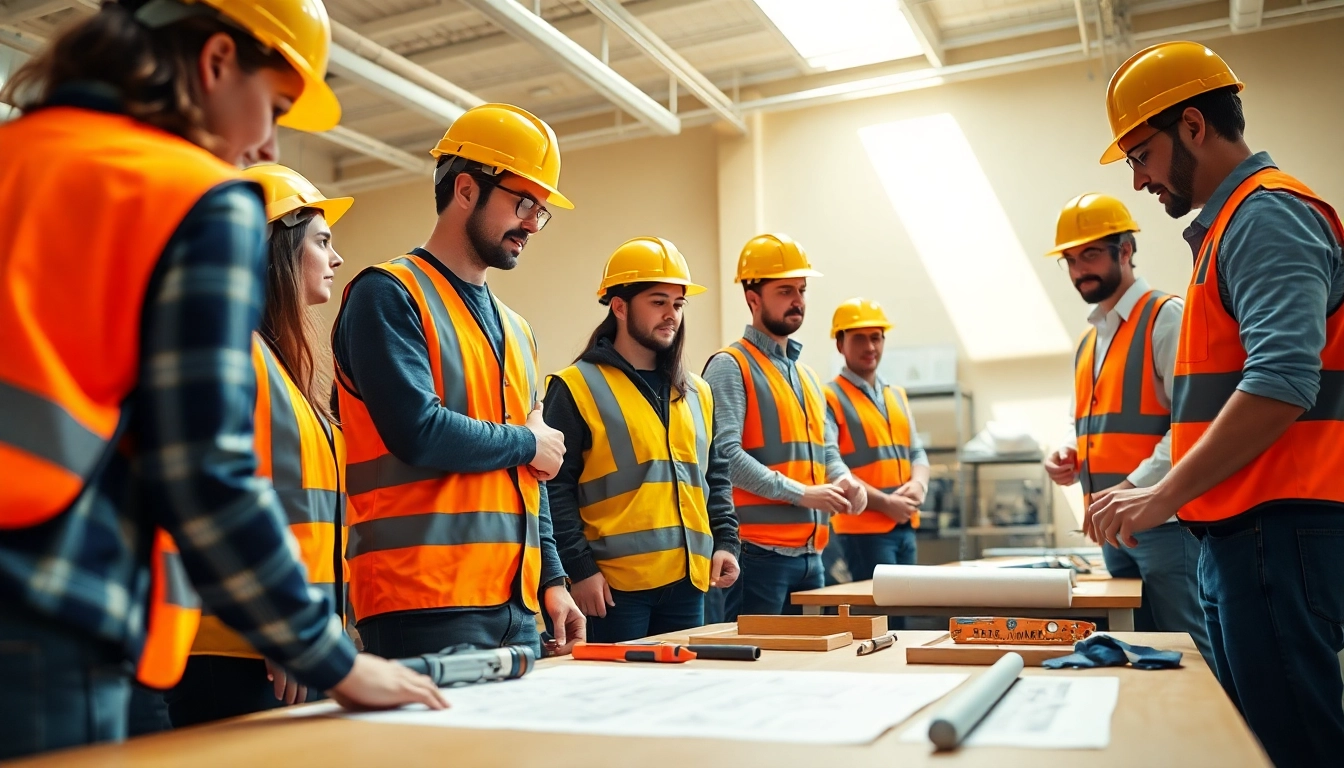
The Importance of Construction Classes
In an ever-evolving industry fraught with challenges and opportunities, construction classes are becoming increasingly vital. As new technologies emerge and building techniques evolve, the demand for skilled workers in construction continues to grow. Understanding the significance of enrolling in these classes can build a solid foundation for those aspiring to enter the industry.
Understanding Industry Demands
The construction industry is a significant driver of economic growth, employing millions around the globe. However, the skill gap in this sector poses a challenge, as many positions remain unfilled due to a lack of trained professionals. These gaps arise from rapid advancements in building technologies, project management techniques, and evolving safety regulations. It is crucial for newcomers to develop the requisite skills to thrive in this competitive environment.
For example, with the rise of green building practices and sustainable construction methods, aspiring workers need to familiarize themselves with these new approaches, which are often covered in comprehensive construction programs. This focus on sustainability and efficiency not only meets the current demands but also aligns with future trends in the industry.
Benefits of Hands-On Training
Theoretical knowledge can only take you so far in construction. Hands-on training is essential for mastering practical skills necessary for the job. Construction classes typically include practical sessions, where students can apply what they learn in real-world scenarios. This experience is invaluable as it allows students to become comfortable with tools, techniques, and on-site problem-solving.
Moreover, hands-on training cultivates an understanding of safety protocols, helping students to internalize best practices that protect themselves and others on the job site. This ultimately translates to higher employability and confidence amongst graduates, making them more attractive to potential employers.
Long-Term Career Opportunities
Completing construction classes can significantly enhance your career prospects. The skills learned provide a pathway to various roles within the industry, including construction management, plumbing, electrical work, and carpentry, to name a few. Many programs even facilitate internships, leading to networking opportunities and direct pathways into employment.
Moreover, the construction industry is recognized for offering meaningful long-term career opportunities, with potential for advancement based on experience and specialization. By investing in education through construction classes, you can establish a strong foundation on which to build a rewarding career.
Types of Construction Classes Available
There is a diverse range of construction classes tailored to various skill levels and interests. Understanding the types of available courses can help prospective students make informed decisions that align with their career goals.
Basic Construction Techniques
For those new to the field, classes in basic construction techniques provide an introductory overview of essential skills. These courses often cover topics such as tool usage, foundational building methods, and an understanding of construction materials. Students acquire practical skills through hands-on projects that allow them to experience building from the ground up.
Additionally, these foundational classes often emphasize the importance of safety practices, ensuring that students understand how to work responsibly and minimize risks on job sites. Starting with the basics establishes a strong base for continued learning and advanced specialization.
Advanced Building Methods
As students progress in their careers, they may wish to explore advanced building methods that utilize new technologies and innovative materials. Classes in this area often delve into topics such as modular construction, lean project management, and the integration of technology in building processes, including Building Information Modeling (BIM).
Advanced classes typically target experienced workers looking to specialize further or upgrade their skills to remain competitive in a rapidly changing job market. Gaining proficiency in these advanced methods can open doors to higher-paying positions and leadership roles.
Safety and Compliance Standards
Safety in construction cannot be overstated. Classes focusing on safety and compliance standards cover essential regulations, safety practices, and workplace protocols mandated by law. These courses focus on educating workers about potential hazards and preventative measures to enhance job site safety.
Furthermore, understanding compliance with government regulations ensures that workers can operate within legal frameworks, reducing the risk of fines and accidents. Completing a safety-focused class often results in certifications that are attractive to employers, highlighting a candidate’s commitment to maintaining a safe working environment.
Choosing the Right Construction Classes
With a variety of courses and programs available, selecting the right construction classes can feel overwhelming. However, understanding your needs and assessing different options can simplify the process and lead to significant educational benefits.
Assessing Your Skill Level
Before enrolling, it’s crucial to assess your current skill level. Beginners may find introductory courses more beneficial, providing a comprehensive overview of essential skills. On the other hand, experienced professionals might benefit from specialized classes that build on existing knowledge or focus on emerging technologies.
Many institutions offer skill assessments or advisor consultations, which can help guide you toward the appropriate courses based on your unique background and career aspirations.
Finding Accredited Programs
It’s essential to choose accredited programs to ensure that the education is recognized by potential employers and meets industry standards. Accreditation provides assurance that the course content is up to date and equips students with valuable skills.
Research programs that offer certifications as part of their curriculum. Certifications from accredited programs are usually considered more credible by employers, thus enhancing your employability upon completion.
Online Versus In-Person Learning
When choosing construction classes, students may also consider the format: online or in-person. Online classes provide flexibility, allowing students to learn at their own pace and manage their schedules. This option is particularly appealing for those balancing work or personal commitments.
However, in-person training is irreplaceable for skillsrequiring hands-on experience. This format fosters direct interaction with instructors and peers, enabling a more dynamic learning environment. Evaluating your learning preferences and commitments is vital in making the right choice.
Maximizing Your Experience in Construction Classes
Once you’ve chosen and enrolled in construction classes, maximizing your experience is crucial for achieving the best outcomes. Implementing effective strategies can lead to deeper learning and a more rewarding educational pathway.
Preparation and Resources
Preparation is key to getting the most out of your classes. Familiarizing yourself with the course syllabus and acquiring necessary materials ahead of time allows you to engage more deeply with the content. Utilizing supplementary resources, such as online videos, articles, and podcasts, can provide different perspectives and broaden your understanding.
Additionally, participating in study groups or forums can enhance collaboration with classmates, fostering a supportive learning environment. Engaging actively with resources and peers can enrich your educational experience.
Networking and Community Building
One of the often overlooked advantages of taking construction classes is the opportunity to network with industry professionals and fellow students. Building relationships in this way can lead to mentorship, internship opportunities, and job leads after completion of the course.
Participating in relevant community events, workshops, and online forums alongside your classes can expand your network and introduce you to potential collaborators, employers, and industry thought leaders. Strong connections can be instrumental in navigating your career successfully.
Evaluating Instructor Expertise
The quality of instruction can significantly impact the learning experience. Evaluating an instructor’s expertise and teaching style is crucial for ensuring that you receive high-quality education. Look for instructors with industry experience and positive reviews from current and past students.
Instructors who are engaged and enthusiastic about their subjects can motivate students, transforming the classroom experience. Consider reaching out to alumni or current students of the program to gauge the faculty’s effectiveness and supportiveness.
FAQs About Construction Classes
What skills will I learn in construction classes?
Construction classes typically cover essential skills like safety practices, basic construction techniques, and project management methodologies.
Are online construction classes as effective as in-person?
Online classes offer flexibility, but in-person training provides hands-on experience that’s crucial for mastering construction skills.
Do I need prior experience to enroll in construction classes?
No prior experience is usually required. Many programs cater to beginners eager to learn the fundamentals of construction.
How long do construction classes usually take?
The duration varies by program. Classes can range from a few weeks to several months, depending on the complexity of the topics covered.
What certifications can I earn from construction classes?
Many programs offer certifications in safety, project management, and specific construction skills, enhancing your employability in the industry.