Understanding Auto Window Tint Near Me
What Is Auto Window Tinting?
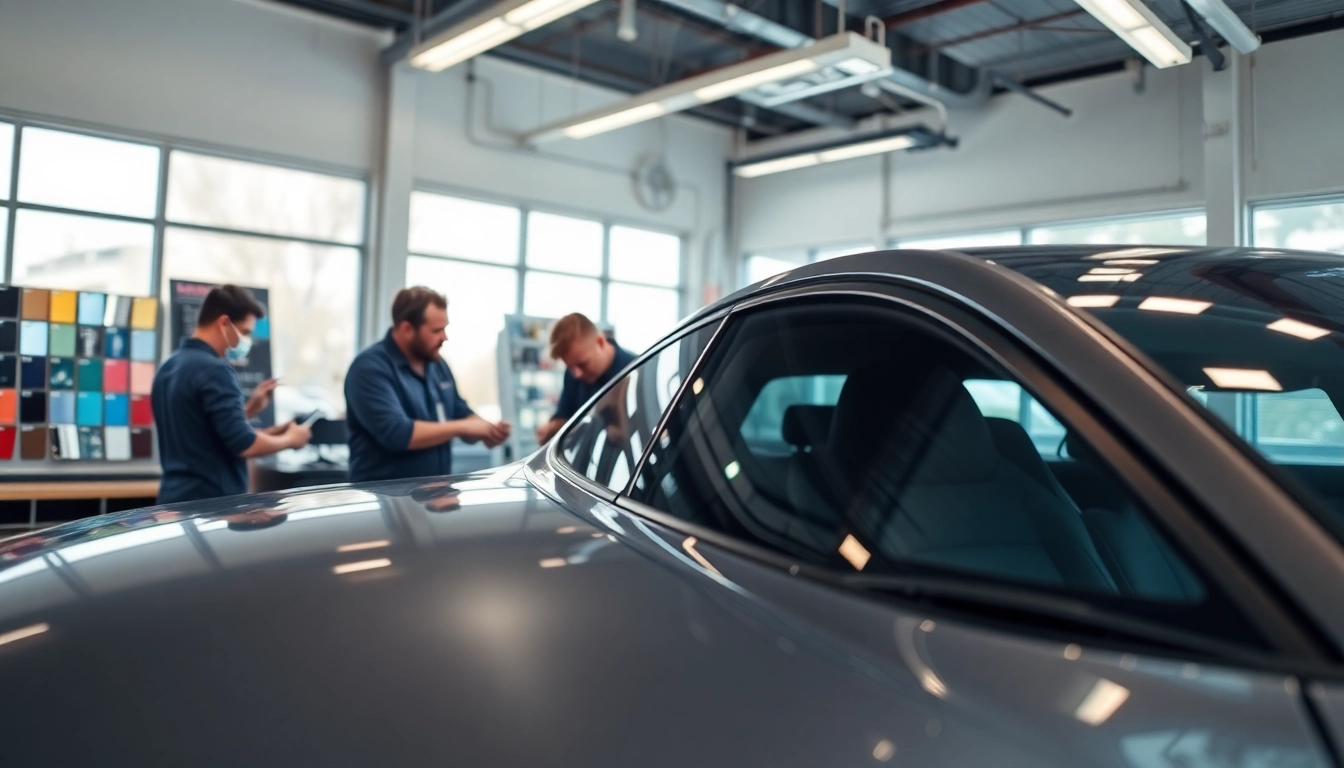
Auto window tinting involves applying a thin film to the windows of a vehicle to enhance privacy, aesthetics, and sun protection. The film is made from various materials and can considerably reduce the amount of heat, glare, and harmful ultraviolet (UV) rays entering the vehicle. By exploring the auto window tint near me options, car owners can find the right tint that suits their needs and local regulations.
Benefits of Choosing the Right Tint
Selecting the appropriate window tint can transform your driving experience. Here are some benefits:
- UV Protection: Quality tints block up to 99% of harmful UV rays, protecting both your skin and the car’s interior from fading.
- Heat Reduction: Tints can significantly lower interior temperatures, making for a more comfortable ride, especially during hot weather.
- Enhanced Privacy: Tinted windows provide an added layer of privacy for passengers and valuables in your vehicle.
- Glare Reduction: Reducing glare from the sun and headlights at night improves driving safety and comfort.
- Aesthetic Appeal: Tints can enhance the appearance of a vehicle, giving it a sleek and stylish look.
Common Myths About Auto Window Tint Near Me
Despite its many benefits, there are several myths surrounding auto window tinting:
- Myth 1: All Tints Are Created Equal: Different tints have varying levels of quality and effectiveness. It’s essential to choose a reputable product.
- Myth 2: Tinting Will Make My Car Too Dark: There are many tint options available that meet legal visibility requirements while still providing benefits.
- Myth 3: Tinting Is Illegal: While there are laws regulating tint darkness and reflectivity, many vehicles have legal tint options.
- Myth 4: Tints Damaged Easily: High-quality window films are designed to withstand wear and tear, including scratches and harsh weather conditions.
Types of Auto Window Tint Available
Different Tint Materials and Their Features
Choosing the right tint material is crucial for achieving your desired results. Here are the main types available:
- Dyed Window Tint: This is the most cost-effective option, providing basic UV protection and aesthetics. However, it may fade over time.
- Metalized Window Tint: These tints contain tiny metal particles that reject heat and UV rays effectively. They are more durable but can interfere with electronic signals.
- Carbon Window Tint: Carbon-based films offer excellent UV protection and heat rejection without the interference found in metalized films. They also won’t fade over time.
- Ceramic Window Tint: This is a high-end option that provides excellent heat and UV protection without sacrificing visibility. It’s non-metallic, meaning it won’t interfere with devices.
Legal Regulations for Window Tint
Every state has specific regulations concerning window tint darkness and reflection levels. It’s vital to familiarize yourself with these laws to avoid penalties. In general, front windshields are often required to allow a certain amount of light to pass through, whereas rear windows may have more lenient regulations. Check local regulations for details regarding permissible tint levels in your area.
Choosing the Right Tint Percentage
Determining the right tint percentage depends on personal preference, legal restrictions, and the desired outcome. Generally measured by the amount of visible light transmission (VLT), here are some common ranges:
- Light Tint (50% VLT): Offers minimal privacy but allows for clear visibility.
- Medium Tint (35% VLT): Strikes a balance between privacy and visibility, popular for many cars.
- Dark Tint (20% or below VLT): Provides high levels of privacy but may limit visibility, especially at night.
Choosing a Local Auto Window Tint Provider
Researching Reputable Services Near Me
When searching for auto window tint services, a reputable provider can make all the difference. Start by checking online reviews, exploring social media feedback, and asking for recommendations from friends or family members. Look for businesses that specialize in auto tinting and have a solid track record.
Questions to Ask Your Tinting Service
Before selecting a tinting service, be sure to ask the following questions:
- What types of window films do you offer?
- Do you understand local tint laws and comply with them?
- How long is your installation warranty?
- Can you provide references or past customer testimonials?
- What is your installation process like, and how long does it typically take?
Identifying Quality Installation Practices
Proper installation is as critical as the film chosen. Look for the following indicators of quality:
- Professional certification and experience in auto tinting.
- Use of high-quality materials that are backed by a warranty.
- Clean installation environment free from dust and debris.
- Attention to detail, such as precise cutting of the film and no visible bubbles or imperfections.
Costs Associated with Auto Window Tint
Average Pricing for Tint Services Nearby
The cost of window tinting varies based on several factors, including the type of film, the number of windows, and the location. On average, pricing can range from $100 to $400 for a standard vehicle. Luxury vehicles and larger cars may incur higher costs due to additional materials and labor.
Factors Affecting Tinting Costs
Several factors can influence the final cost of your auto window tinting:
- Type of Film: Higher-quality films typically command a higher price but offer better performance.
- Size of Vehicle: Larger vehicles may require more material and longer installation times.
- Complexity of Installation: More complex jobs or unique vehicle shapes may incur additional labor fees.
- Local Market Rates: Pricing varies significantly depending on the area’s demand and competition.
Possible Discounts and Promotions
Many window tinting services offer discounts, especially for first-time customers, bulk installations, or seasonal promotions. Always inquire about any ongoing discounts or incentives that could lower your overall investment.
Maintaining Your Window Tint
Tips for Long-lasting Tint Care
Proper maintenance can extend the life of your window tint. Consider the following care tips:
- Wait at least 48 hours before rolling down your windows after installation.
- Use a soft, non-abrasive cloth for cleaning.
- Opt for ammonia-free cleaning products to avoid damaging the film.
- Regularly inspect for bubbles, peeling, or discoloration, seeking professional assistance for repairs if needed.
When to Seek Repair or Replacement
While high-quality tints can last a long time, conditions can arise that necessitate repair or replacement:
- Peeling: If your tint begins to peel at the edges, it may need replacement.
- Bubbles: Small bubbles may go away with time, but larger, persistent bubbles are a sign of poor installation.
- Discoloration: A faded or discolored tint requires replacement for aesthetic and protective purposes.
Customer Testimonials and Success Stories
Customer reviews can provide valuable insights into the quality of services offered by local tint shops. Look for testimonials that highlight positive experiences, the long-lasting effects of the tint, and excellent customer service. Sometimes, success stories can offer inspiration for those considering window tinting.
FAQs
What is the lifespan of auto window tint?
Auto window tint can last anywhere from 5 to 15 years, depending on the quality of the tint and care.
Is auto window tinting worth it?
Yes, it enhances appearance, provides UV protection, and can keep your car cooler.
Can I remove window tint?
Yes, but it should be done professionally to avoid damage to the glass.
What are the legal limits for tint darkness?
Legal limits vary by state; check local regulations for specifics on tint darkness allowed.
How can I clean tinted windows?
Use a soft cloth and a non-ammonia cleaner to avoid damaging the tint.