
Understanding Stress and Anxiety
In our fast-paced modern world, stress and anxiety have become common experiences for many. Understanding what causes these feelings, how they manifest, and effective coping strategies is crucial for maintaining mental well-being. This section delves into the definitions of stress and anxiety, their types, and their signs and symptoms.
What is Stress?
Stress is the body’s natural response to a perceived threat or challenge, activating the fight-or-flight mechanism. It triggers a range of physiological changes, including increased heart rate, elevated blood pressure, and heightened alertness. While some stress can be beneficial—helping us meet deadlines or perform better—chronic stress can lead to serious health issues. It’s essential to differentiate between eustress (positive stress) and distress (negative stress) as both can have different implications on mental health.
Types of Anxiety Disorders
Anxiety disorders encompass a range of conditions that can affect individuals at different levels of severity. The main types include:
- Generalized Anxiety Disorder (GAD): Characterized by excessive, uncontrollable worry about everyday things.
- Panic Disorder: Involves recurrent, unexpected panic attacks and persistent concern about future attacks.
- Social Anxiety Disorder: A fear of social situations where one might be judged or scrutinized.
- Specific Phobias: An intense fear of a specific object or situation, leading to avoidance behavior.
- Obsessive-Compulsive Disorder (OCD): Marked by intrusive thoughts (obsessions) that lead to repetitive behaviors (compulsions).
Signs and Symptoms
Recognizing the signs of stress and anxiety is vital for seeking help early. Common symptoms include:
- Physical symptoms: headaches, stomachaches, fatigue, and insomnia.
- Emotional symptoms: feelings of helplessness, irritability, and overwhelm.
- Cognitive symptoms: difficulty concentrating and indecisiveness.
- Behavioral symptoms: withdrawal from social activities or changes in eating habits.
Causes of Stress and Anxiety
Identifying the causes of stress and anxiety can be a pivotal step in managing and reducing these feelings. Several factors contribute to their onset.
External Stressors
External stressors can include significant life events like job loss, relationship breakdowns, financial difficulties, and major transitions such as moving or changing schools. Environmental factors, such as pollution or overcrowded living conditions, can also induce stress.
Internal Factors
Internal factors may stem from personality traits, genetics, or previous experiences. Pessimistic thinking, high self-expectations, and perfectionism can amplify stress and anxiety levels. Additionally, co-occurring mental health conditions, such as depression, also play a significant role.
Life Changes and Transitions
Life changes, whether positive or negative, can trigger stress and anxiety. Events like marriage, relocating, or entering a new job can incite feelings of apprehension. Even positive changes can require adjustment time, which may lead to increased stress until a new routine is established.
Effective Techniques to Alleviate Stress and Anxiety
Managing stress and anxiety involves a mix of techniques that can be tailored to individual preferences and lifestyles. Here, we’ll discuss effective methods that promote relaxation and emotional balance.
Meditation Practices
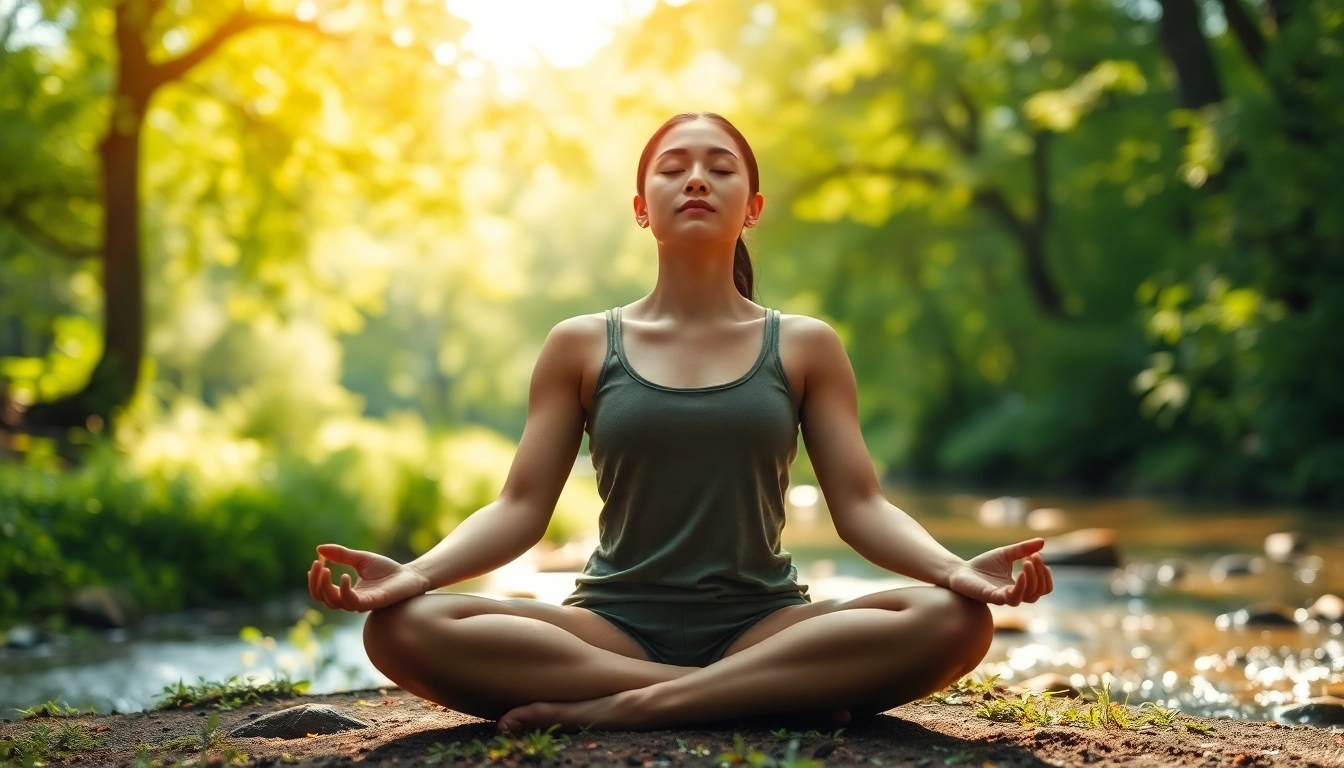
Meditation can significantly reduce stress and anxiety levels by promoting mindfulness and relaxation. Practices such as guided meditation, deep breathing exercises, and progressive muscle relaxation are great starting points. Regular meditation can lead to long-term changes in brain structure, enhancing emotional resilience.
Physical Exercise
Engaging in physical activity is a time-tested method for combating stress and anxiety. Exercise releases endorphins, the body’s natural mood lifters, promoting a sense of well-being. Activities like walking, jogging, yoga, or team sports can enhance mood while providing a distraction from anxiety-inducing thoughts.
Healthy Lifestyle Choices
Maintaining a healthy lifestyle can drastically impact stress levels. A balanced diet rich in fruits, vegetables, whole grains, and lean proteins supports both physical and mental health. Adequate sleep and hydration also play essential roles. Avoiding excessive caffeine and alcohol can prevent the exacerbation of anxiety symptoms.
Professional Help and Resources
While self-help techniques are valuable, some individuals may benefit from professional guidance in coping with stress and anxiety. Several resources exist to support individuals seeking help.
Therapy Options
Various therapeutic approaches, including Cognitive Behavioral Therapy (CBT), exposure therapy, and dialectical behavior therapy (DBT) can effectively help individuals manage anxiety and stress. Collaborating with a qualified therapist can equip individuals with skills to challenge negative thought patterns and improve emotional regulation.
Support Groups
Joining a support group can offer valuable emotional support and minimize feelings of isolation. Connecting with others who share similar experiences can uplift spirits and foster understanding. Many groups focus on specific conditions, offering targeted advice and shared strategies for coping.
Online Resources
Numerous online platforms provide valuable resources, including guided meditation apps, forums for discussion, and informative articles. Websites dedicated to mental health can offer tools and strategies for managing stress and anxiety in today’s digital age.
Measuring Progress and Success
Recognizing progress in managing stress and anxiety is crucial for maintaining motivation and adjusting coping strategies. Establishing clear measures can help individuals gauge their improvements.
Setting Personal Goals
Setting attainable goals is a vital step in tracking progress. Whether it involves gradually facing anxieties, meditating daily, or exercising regularly, personal goals should be specific, measurable, achievable, relevant, and time-bound (SMART). This framework allows individuals to foster growth while celebrating small successes along the way.
Tracking Emotional Well-being
Keeping a journal to document thoughts and feelings can provide insights into emotional states that correlate with stress and anxiety. Regular reflection helps recognize triggers and patterns, thus enabling better management of responses over time.
Feedback Mechanisms
Incorporating feedback mechanisms, such as self-assessments or check-ins with friends and professionals, can enhance accountability. Constructive feedback helps evaluate what strategies are effective and what needs adjustment, ensuring continuous improvement in emotional health.
Frequently Asked Questions
What are common signs of stress and anxiety?
Common signs include physical symptoms (headaches, fatigue), emotional symptoms (irritability, mood changes), cognitive symptoms (difficulty concentrating), and behavioral changes (withdrawal, changes in appetite).
How can physical exercise help manage stress?
Physical exercise releases endorphins, which can enhance mood and promote relaxation and can be a healthy distraction from anxious thoughts.
Is meditation effective for everyone?
Meditation can be beneficial for many but may require practice and patience. Various forms exist, so it’s important to find the style that resonates with the individual.
When should I seek professional help?
Consider seeking professional help if stress and anxiety interfere with daily life, relationships, or overall well-being, or if self-help techniques do not lead to improvement.
Are there online resources to help with stress management?
Yes, many websites and apps offer guided meditations, articles, forums, and virtual support groups that provide tools for managing stress and anxiety.