
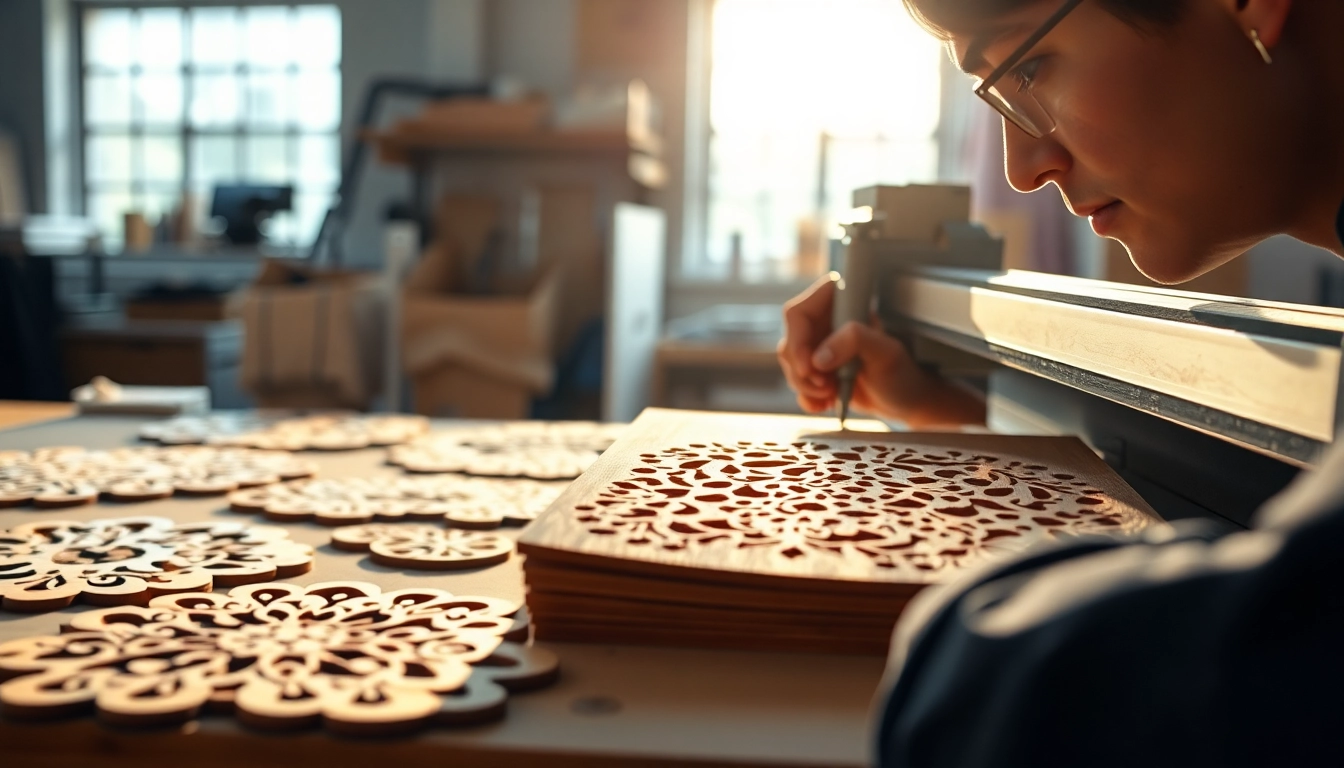
The Art and Science of Laser Cutting Designs
In recent years, laser cutting has emerged as a cornerstone of innovation across various industries, making it possible to create intricate and precise designs with unparalleled efficiency. From fashion accessories to architectural models, laser cutting designs have transformed the way we perceive and interact with materials. The beauty of this technology lies not only in its effectiveness but also in its artistry, which marries technology and creativity to produce stunning visual components. But what exactly is laser cutting, and how does it function?
What is Laser Cutting?
Laser cutting is a manufacturing process that utilizes a powerful laser to slice through various materials with high precision. The process works by directing the output of a high-powered laser beam at the material, which gets melted, burned, or blown away, depending on the nature of the material and the laser type. The most common materials used in laser cutting include metals, acrylics, wood, and paper, among others.
This technology is highly valued in manufacturing, engineering, and design sectors due to its speed and accuracy. Typical laser cutting methods include CO2, fiber, and Nd:YAG lasers, each chosen based on specific requirements and the materials involved.
Applications of Laser Cutting Designs
The versatility of laser cutting designs has led to an extensive range of applications across various sectors:
- Fashion Industry: Designers utilize laser cutting for elaborate patterns in textiles, creating unique clothing, accessories, and even footwear.
- Architecture: Laser-cut components allow for intricate façade designs, detailed decorations, and prototypes, enhancing the aesthetic appeal of buildings.
- Signage: Custom signage is frequently produced through laser cutting, enabling businesses to showcase their branding in creative formats.
- Custom Gifts: Personalized laser-cut gifts like engraved wood or acrylic pieces have become increasingly popular, especially for special occasions.
- Electronics: The precision of laser cutting is essential for the intricate parts of various electronic devices, ensuring efficient functioning.
Understanding Laser Cutting Technology
Diving deeper into the mechanics of laser cutting technology, it’s important to recognize the components that make the process efficient:
- Laser Source: The type and strength of the laser source directly influence the cutting capability and speed.
- Optics: Focusing elements direct the beam to ensure it strikes the material at the right angle and intensity.
- Motion Control: Advanced systems govern the movement of the laser head, translating design data into physical cuts with precision.
- Cooling Systems: Effective cooling systems are essential to prevent overheating of the material and ensure a clean finish.
Choosing the Right Materials for Laser Cutting Designs
Popular Materials and Their Properties
Material selection is crucial for the success of laser cutting designs. Here’s a breakdown of some commonly used materials:
- Acrylic: Available in various colors and thicknesses, acrylic produces clean edges with minimal post-processing.
- Wood: Cutting through wood offers a unique aesthetic, with different types of wood imparting distinct finishes and textures.
- Metals: Materials like stainless steel and aluminum are also compatible with laser cutting, ideal for mechanical parts.
- Cardboard and Paper: The lightweight nature of these materials makes them perfect for prototyping and mock-ups.
- Fabric: Laser cutting on fabric allows for intricate designs without fraying, often used in fashion and home décor.
Factors to Consider When Selecting Materials
When choosing materials for laser cutting designs, consider the following factors:
- Thickness: The thickness of the material will affect the cutting speed and power of the laser.
- Burning Characteristics: Some materials burn easily, while others may melt or warp during cutting.
- Finish: The required finish will dictate your choice; some materials may require sanding or polishing post-cutting.
- Cost: The budget can limit options; balancing quality with affordability is necessary for project success.
- End Usage: Understanding the final application of the design will guide material selection to ensure functionality and durability.
How Material Choice Affects Design Outcomes
The material chosen for a specific design greatly impacts the final outcome. For instance, acrylic allows for vibrant colors and a polished finish, making it suitable for decorative pieces. In contrast, wood offers a natural aesthetic with grain patterns, suitable for rustic designs. Additionally, metal options can withstand higher durability, making them ideal for functional pieces. Understanding these nuances is crucial in aligning material properties with design goals.
Designing Effective Laser Cutting Designs
Key Design Principles for Laser Cutting
To create impactful laser cutting designs, several key principles must be adhered to. These include:
- Scale and Proportion: Ensure that designs are scaled appropriately for the material and purpose.
- Line Weight: Thinner lines may not cut well in certain materials, while overly thick lines could compromise the aesthetics; find a balance.
- Negative Space: Effectively using negative space can enhance the definition of your laser-cut designs.
- Mock-ups: Creating prototypes or mock-ups can help anticipate issues before final production.
- Test Cuts: Perform test cuts on small sections of the design to ensure settings are optimal before full production.
Software Tools for Creating Laser Cutting Designs
A multitude of software tools are available to assist in the design process of laser cutting:
- Adobe Illustrator: Industry-standard graphic design software that allows for detailed vector designs.
- CorelDRAW: Another popular choice for vector graphic design, offering various features for laser cutting optimization.
- Inkscape: A free and open-source vector graphics editor suited for creating laser cutting designs.
- AutoCAD: Commonly used in engineering sectors, offering precision and professional-grade design specifications.
- LightBurn: Specifically tailored for laser cutting, providing tools and features for optimal design preparation.
Examples of Successful Laser Cutting Designs
Implementation of laser cutting technology has redefined the way creative ideas are transformed into tangible products. Here are some notable examples of successful laser cutting applications:
- Architectural Models: Intricate scale models showcasing detailed designs for future buildings provide clear visualizations in presentations.
- Art Installations: Artists have embraced laser cutting to create expansive sculptures with complex patterns that captivate audiences.
- Custom Signage: Businesses that utilize unique laser-cut designs can establish strong brand identities effectively.
- Event Decor: Weddings and special events often feature custom laser-cut items that personalize the occasion elegantly.
- Functional Items: Items like coasters, keychains, or furniture pieces benefit from the precise detailing that laser cutting provides.
Optimizing Laser Cutting Designs for Production
Steps to Prepare Designs for Cutting
Preparing a design for laser cutting involves crucial steps that ensure a successful outcome:
- Set the Right DPI: Ensure that the designs are set to the correct dots per inch (DPI) to maintain clarity.
- Format Selection: Save the files in a compatible format that the laser cutter can read (like SVG or DXF).
- Layer Management: Use layers to differentiate between cutting and engraving paths, simplifying the processing stage.
- Final Review: Conduct a final review of the design to check for errors or unexpected overlapping paths.
- Save Settings: Keep a record of the optimal settings for various materials to streamline future projects.
Minimizing Waste in Laser Cutting Designs
Waste reduction is an integral aspect of the laser cutting process. Consider these strategies:
- Layout Efficiency: Utilize software to optimize the layout of cuts in order to maximize material usage.
- Utilize Scrap: Find ways to incorporate leftover pieces into the design, enhancing creativity while minimizing waste.
- Precise Cuts: Ensure settings are optimized to avoid excessive burning or damage to materials.
Quality Control Measures for Finished Designs
Maintaining high-quality standards in laser cutting involves implementing various quality control measures:
- Inspection: After cutting, visually inspect the pieces for any discrepancies or imperfections.
- Dimensional Checks: Verify that dimensions adhere to prescribed standards to ensure accurate fits and finishes.
- Surface Quality: Evaluate the surface quality to ensure it meets the aesthetic and tactile expectations.
- Functionality Tests: Conduct functional tests on parts to ensure that they meet performance specifications.
- Feedback Loop: Establish a feedback mechanism to continually refine processes based on issues and successes.
Future Trends in Laser Cutting Designs
Innovations in Laser Technology
The field of laser cutting is continuously evolving, with technology paving the way for new possibilities:
- Increased Power: Advancements in laser power are enabling faster cutting speeds and the ability to work with thicker materials.
- Automation: Integration of automation systems allows for more efficient workflows in manufacturing environments.
- 3D Laser Cutting: Innovations are leading toward 3D laser cutting, enhancing the dimensional capabilities of designs.
Emerging Trends in Design Aesthetics
As the creative community embraces laser cutting, new design trends are emerging that elevate aesthetic designs:
- Minimalism: Clean lines, open spaces, and simple shapes are trending, making effective use of laser cutting precision.
- Mixed Material Use: Combining different materials is gaining traction, yielding innovative contrasts in textures and finishes.
- Personalization: Customization continues to rise in popularity, as consumers favor unique, personalized items over mass-produced products.
Sustainability in Laser Cutting Practices
Sustainability is becoming increasingly important, and the laser cutting industry is no exception:
- Eco-Friendly Materials: Utilizing sustainable and recycled materials contributes to more environmentally friendly products.
- Energy Efficiency: Modern laser cutters are designed to consume less energy without compromising output quality.
- Waste Reduction: Focusing on minimizing scrap and reusing materials is becoming standard practice for sustainable operations.
Frequently Asked Questions
1. What is laser cutting used for?
Laser cutting is used in various industries, including fashion, architecture, industrial design, and signage, for creating precise, intricate designs in materials.
2. Can all materials be laser cut?
Not all materials are suitable for laser cutting. Common materials include acrylic, wood, metal, and fabric, but some may release harmful fumes or may not cut well.
3. How is laser cutting different from traditional cutting methods?
Laser cutting offers higher precision, faster processing times, and the ability to create complex shapes compared to traditional cutting methods, making it more efficient for many applications.
4. How can I optimize my designs for laser cutting?
Optimizing designs involves ensuring appropriate line weights, managing layers effectively, conducting test cuts, and using design software features for layout efficiency.
5. What are the safety measures for laser cutting?
Safety measures include wearing protective eyewear, ensuring adequate ventilation, following operational guidelines, and keeping flammable materials away from the laser cutting area.